I like to build and launch rockets — both small model rockets, like the kind you can find in toy and hobby shops, and larger “high-power” rockets, which can weigh several pounds and require certification to fly.
In addition to the rockets themselves, I also build little flight computers that go in the payload sections of the rockets and measure things like altitude, acceleration, etc. I didn’t know anything about building my own electronics when I started, so my first attempts were pretty basic. I wouldn’t call what I have now sophisticated, but it’s gotten to the point it tracks the data I’m interested in, plus I added GPS and a radio (and a loud beeper) to make the rockets easier to find after launch.
My Rockets
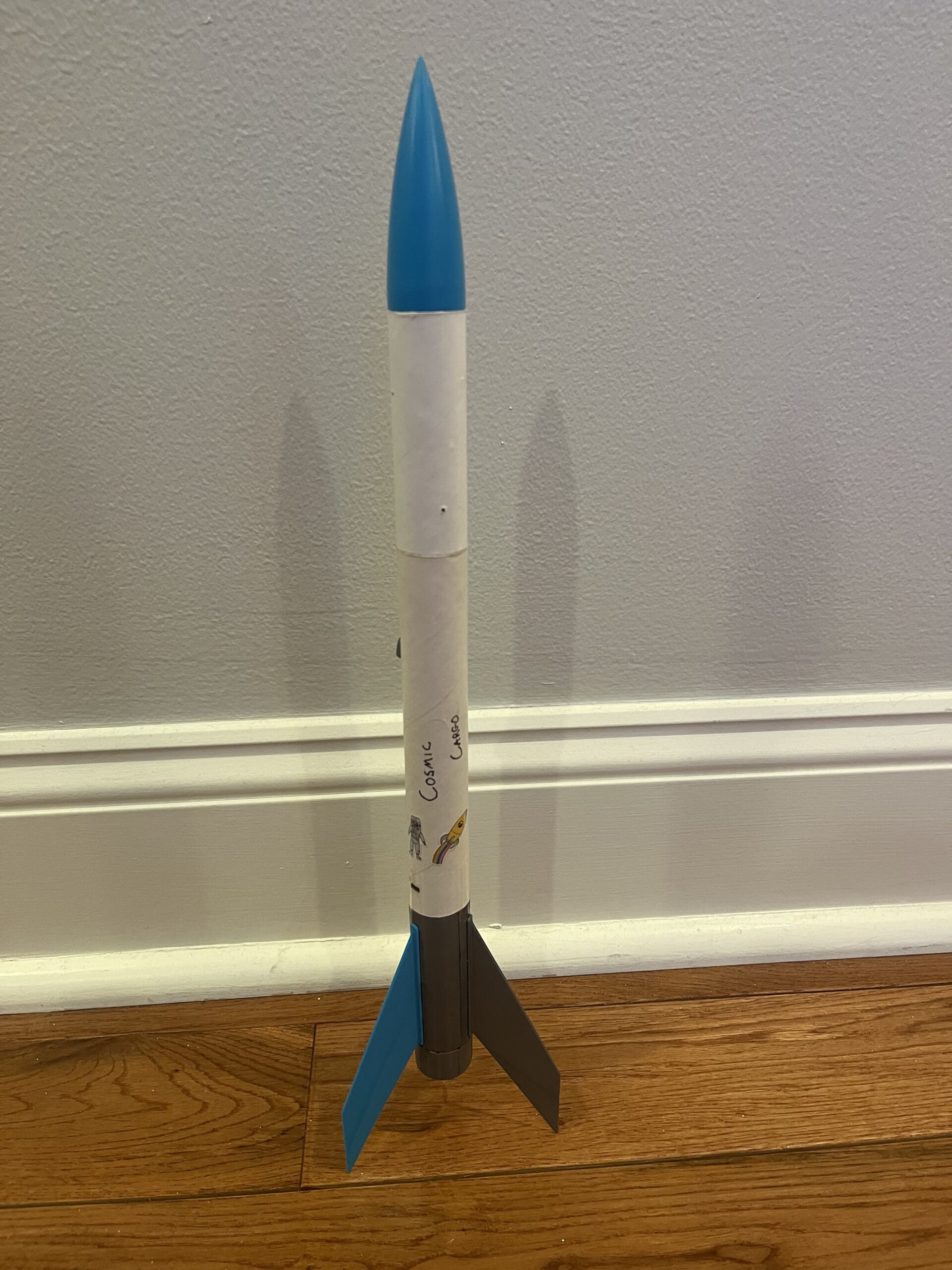
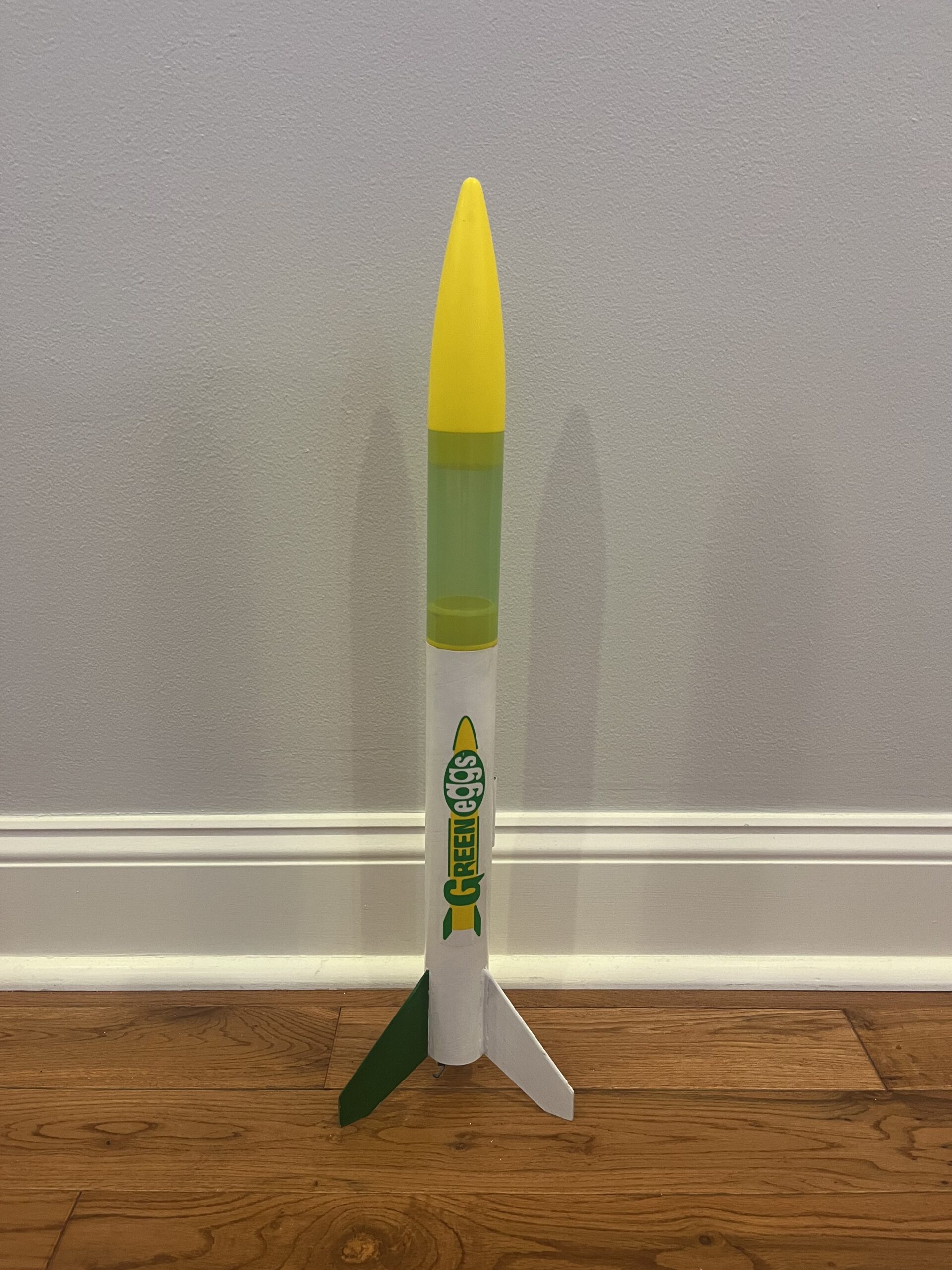
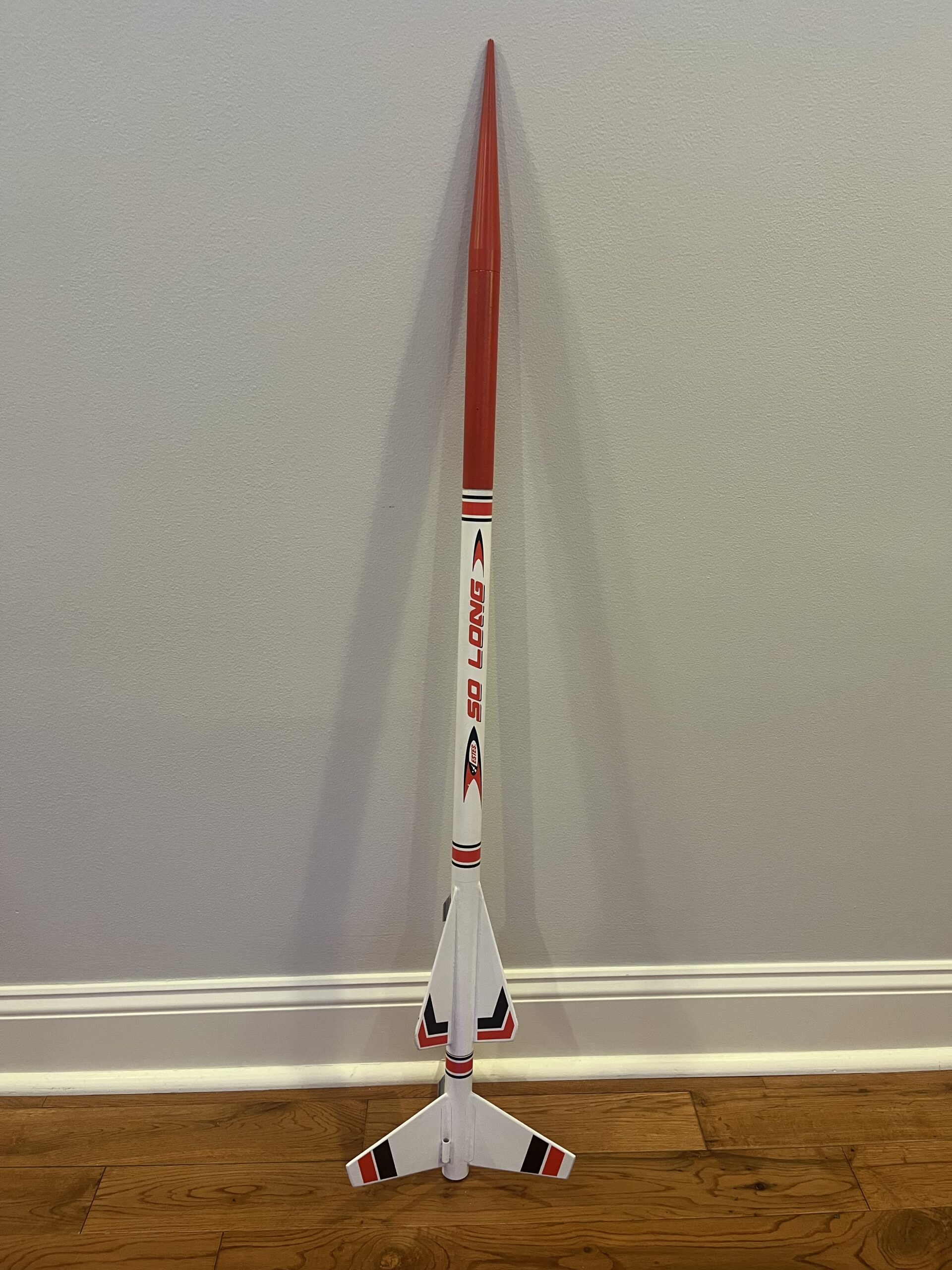
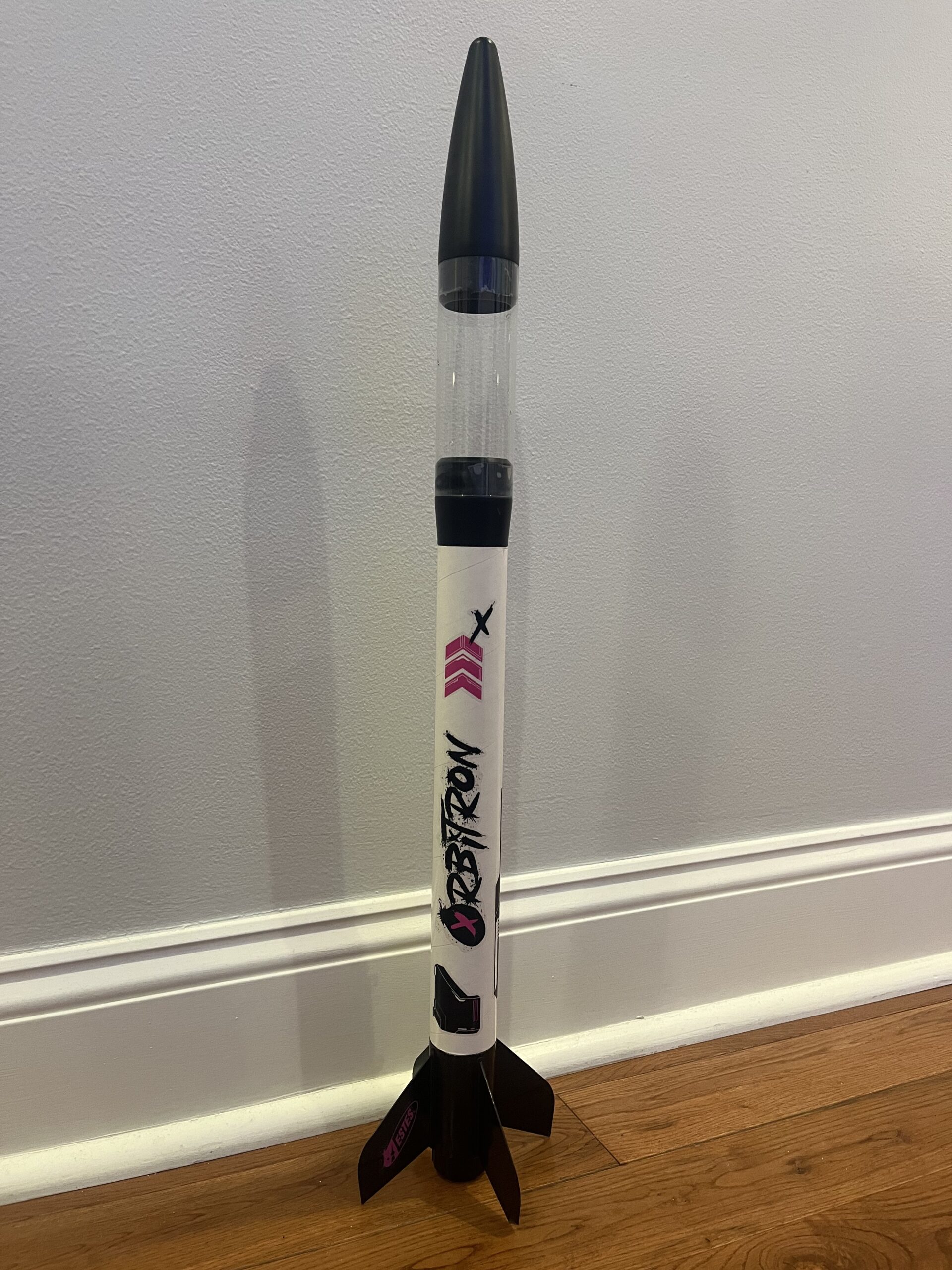
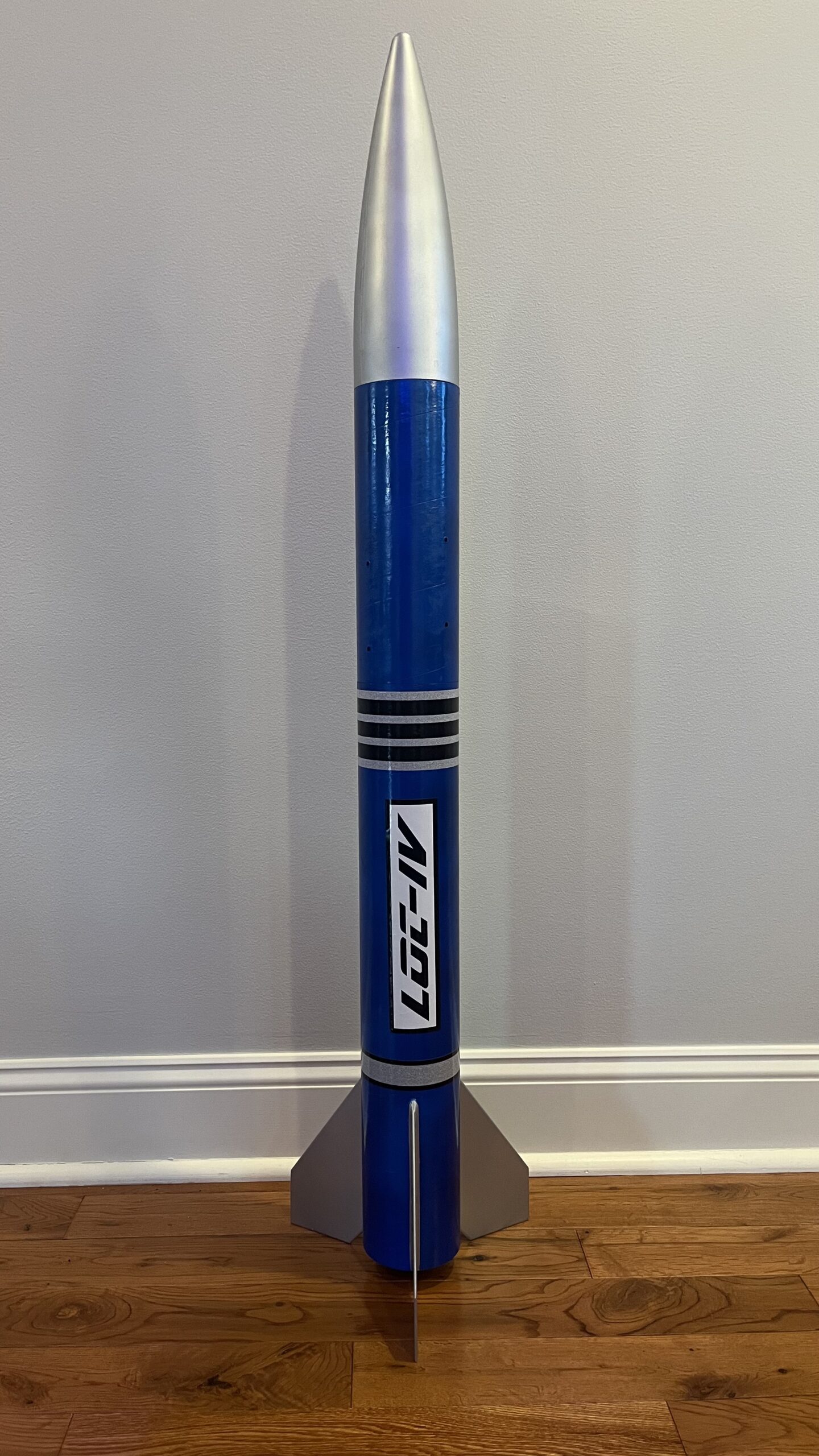
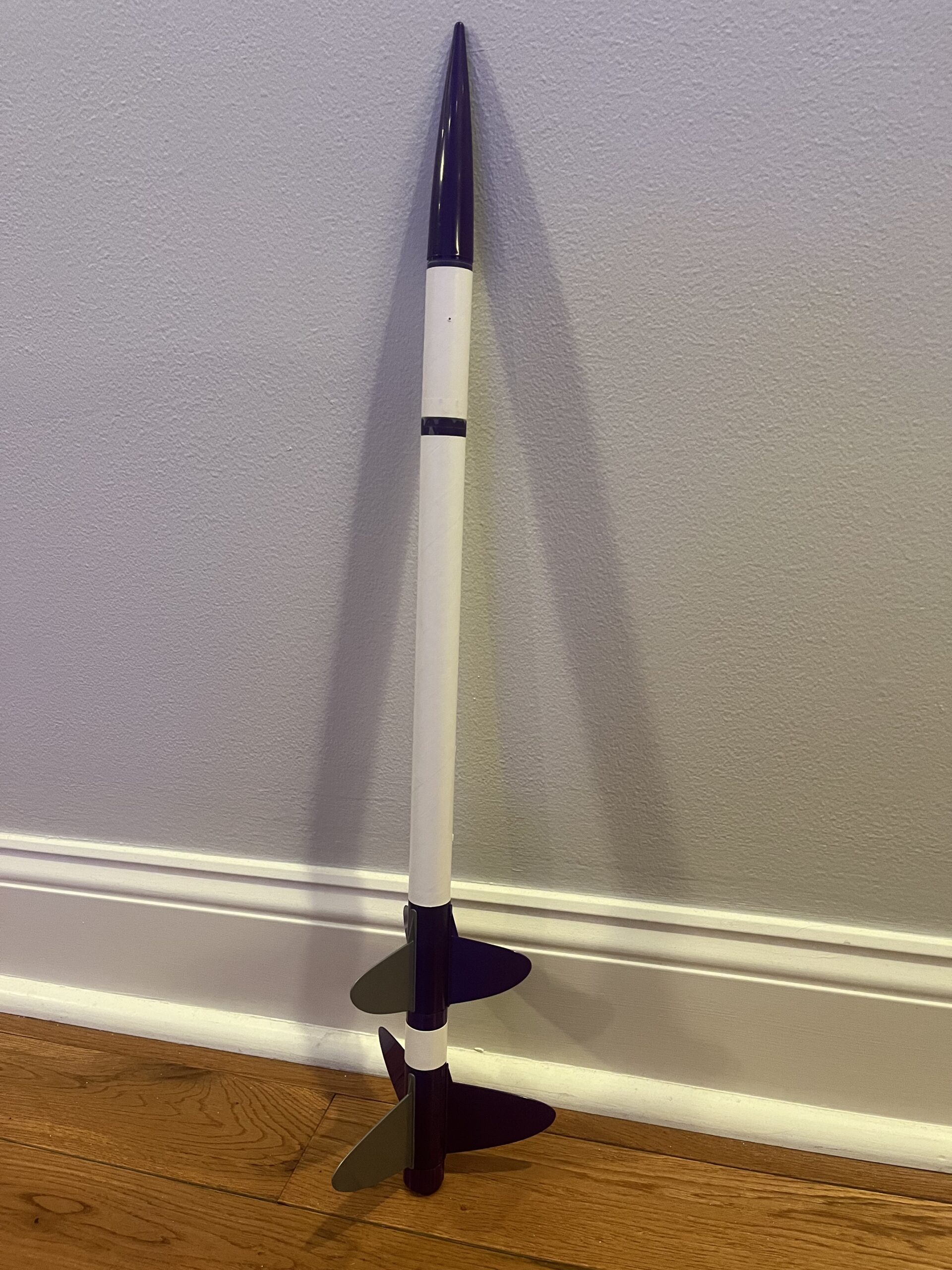
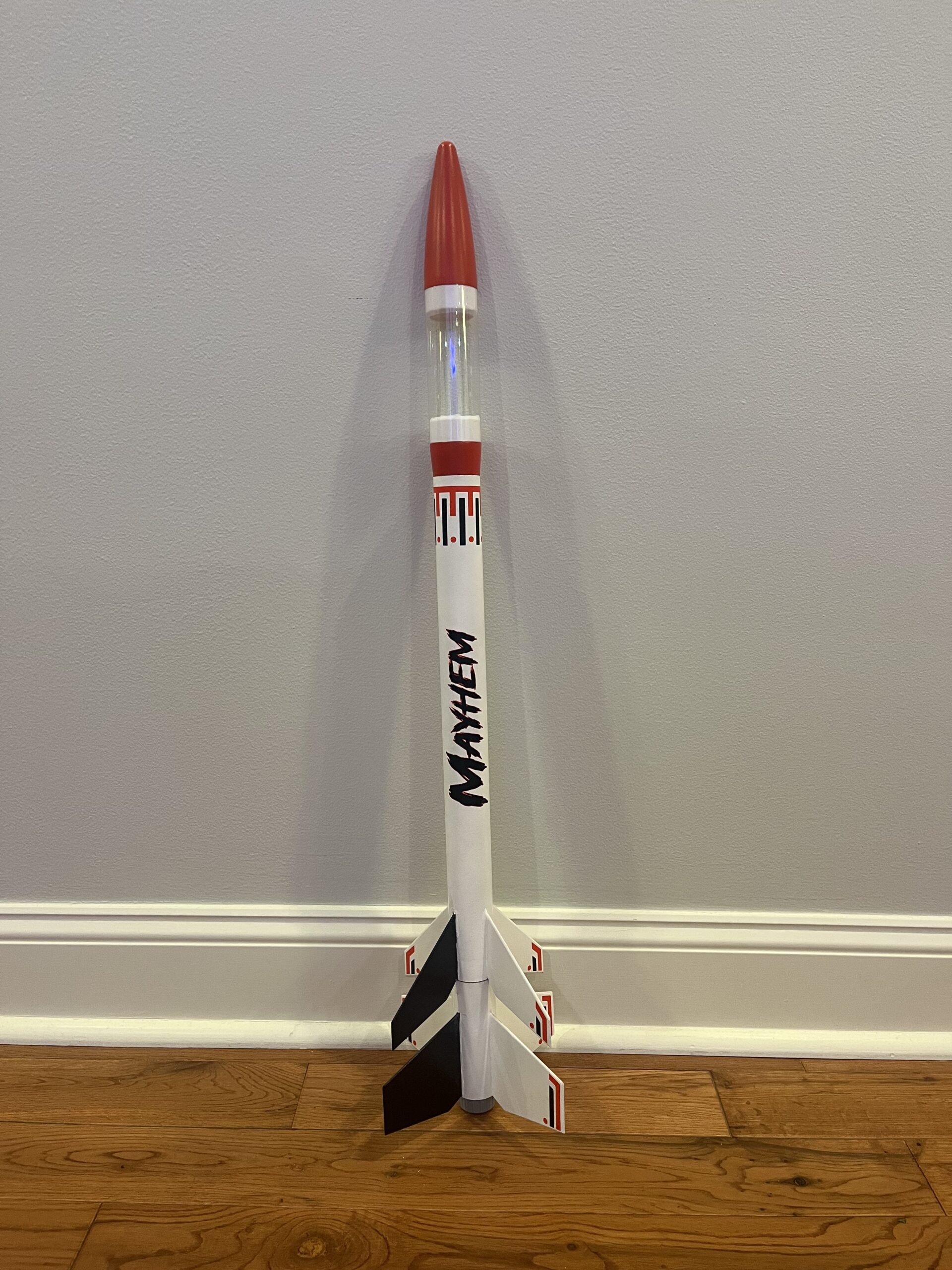
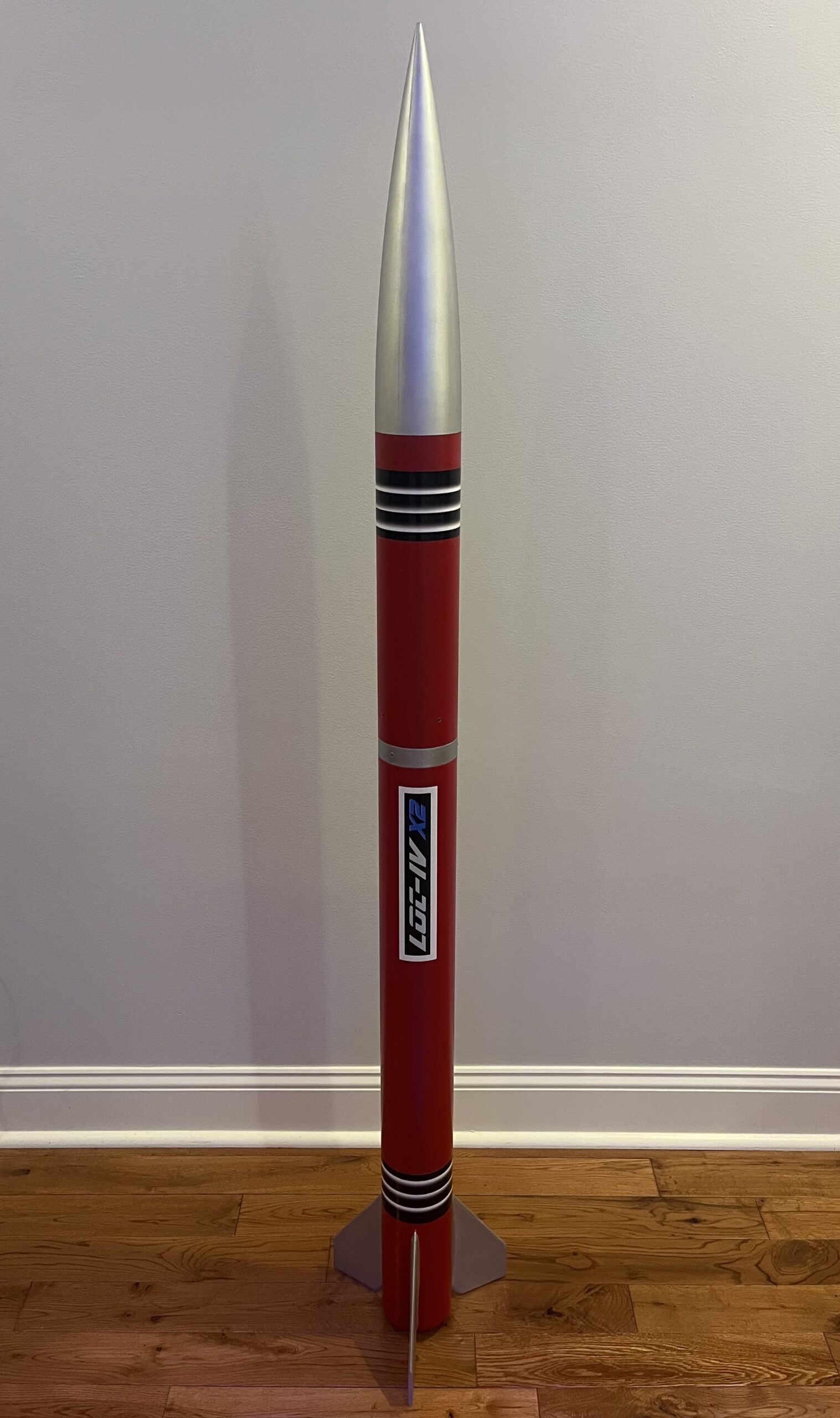
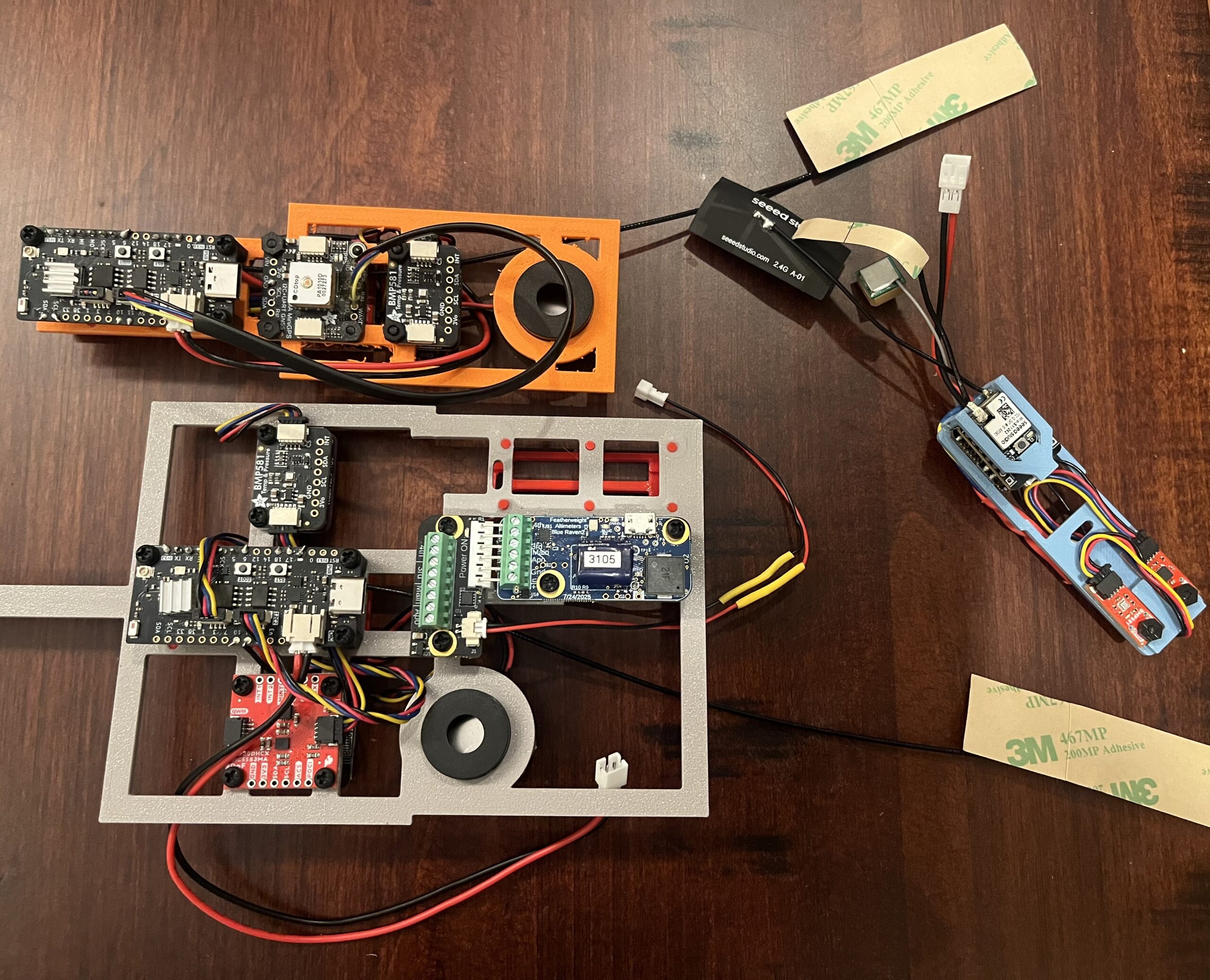
“Nene” Flight Computer
My initial computer tracked altitude and acceleration and was soldered together then just put in the rocket’s payload section — where it bounced around and would lose power when big jolt occurred. I lost it, and the rocket it was in, on its third flight. That inspired me to make it sturdier and add tracking / locating functionality.
My current computer — which is named “Nene” — tracks a lot more: altitude, acceleration, velocity, heading, pitch, roll, GPS coordinates, and some performance-related data. It also has a radio (for sending out those GPS coordinates) and a very loud beeper to help find the rocket, since these rockets can easily go out of sight with larger engines. I’ve also made some 3D-printed sleds to mount the electronics don’t get damaged by the g-forces of launch and landing.
The computer’s source code and the design files for the sleds are all open source and publicly available on github.
Launch History
| Name | Engine | Date | Altitude (m) | Acceleration (m/s/s) | Comments |
|---|---|---|---|---|---|
| Green Eggs | C11-5 | 2026.11.08 | 64.8 | 109.5 | |
| Green Eggs | D12-5 | 2026.11.08 | 215.1 | 172.4 | Very windy day — long walk to get this back. |
| LOC-IV | G67 | 2026.11.08 | 169.2 | 68.6 | My chute release band snapped again, and I broke a couple fins :( I did, however, win my club’s “Turkey Shoot” competition by landing closest to a target (29’9″!) |
| So Long | F15-0, F15-8 | 2026.10.18 | 1,151.9 | 96.2 | The bottom stage fins (though not the bottom stage engine) got stuck on the rail — so this went a fair bit higher than it should have. |
| LOC-IV | I357 | 2026.10.18 | 810.5 | 243.8 | My parachute release band snapped — so the parachute opened at apogee. |
| Mayhem | D12-0, D12-5 | 2026.09.13 | 373.3 | 169.1 | Tracker glitched again — need to rebuild the computer to fix a flaky connection |
| LOC-IV | H112 | 2026.09.13 | 555.6 | 77.1 | |
| LOC-IV | H242 | 2026.08.30 | 555.5 | 215 | Started using a parachute release to reduce drift distance |
| Cosmic Cargo | C6-7 | 2026.08.30 | 236.4 | 150.1 | |
| Cosmic Cargo | A8-3 | 2026.08.09 | 29.9 | 216 | |
| Mayhem | D12-0, D12-5 | 2026.06.13 | 386 | 180.7 | Finally got two-stage data! Tracker glitched, though, so finding it was a pain. |
| LOC-IV | H148 | 2026.06.13 | 529 | 132.8 | Level 1 Certified! |
| Mayhem | E12-0, E12-6 | 2026.04.26 | 0 | Both engines exploded shortly after ignition, destroying the rocket :( | |
| LOC-IV | G67 | 2026.04.26 | 198.8 | 151.4 | First time using a reloadable motor! Nose cone popped off, though, and the parachute didn’t fully open. |
| Green Eggs | D12-5 | 2026.04.26 | 227 | 181 | |
| Orbitron | C11-5 | 2026.03.29 | 78.5 | 138.35 | Parachute finally opened correctly! |
| Orbitron | C11-5 | 2026.03.01 | 91.7 | 198.4 | Parachute still didn’t open, chipped a fin. |
| Cosmic Cargo | A8-3 | 2025.12.24 | 44.1 | 219.6 | Parachute deployed but didn’t open — unclear why. |
| Cosmic Cargo | A8-3 | 2025.11.23 | 41.8 | 215.6 | Need to seal the bulkhead. The ejection charge blew the rocket apart; the computer free-fell but was recoverable. |
| So Long | F15-0, F15-8 | 2025.07.20 | 0 | Lost :( | |
| Green Eggs | D12-5 | 2025.07.20 | 255.1 | I lost data partway through, the rocket was at 255.1m and climbing. | |
| Cosmic Cargo | C6-7 | 2025.07.20 | 278.6 | First launch! |